GSM Intercom for Gates, Barriers and Doors
Hi-Tech Security Systems supplies reliable GSM intercom products for electric gates, automatic barriers, pedestrian doors, car parks, private roads and controlled access points. A GSM intercom lets visitors call a programmed phone number from the entrance, allowing access to be managed from a mobile or landline.
A GSM intercom is a practical access control choice where a traditional hardwired handset is not required. It is suitable for homes, business premises, gated entrances, depots, apartment blocks, yards, private car parks and commercial access points.
The single way GSM intercom is a single button model that can call two programmed telephone numbers. If the first number is busy, the unit can call the next number, helping reduce missed visitor calls at the entrance.
The unit can also be called by authorised mobile phone numbers to open the door, gate or barrier, making it a useful access control product for regular users, staff, residents and trusted visitors.
GSM Intercom
Single button GSM access control for gates, barriers, doors and secure entrances.
Need a GSM intercom supplied? Contact Hi-Tech Security Systems for advice, prices and product support. Contact Us Now
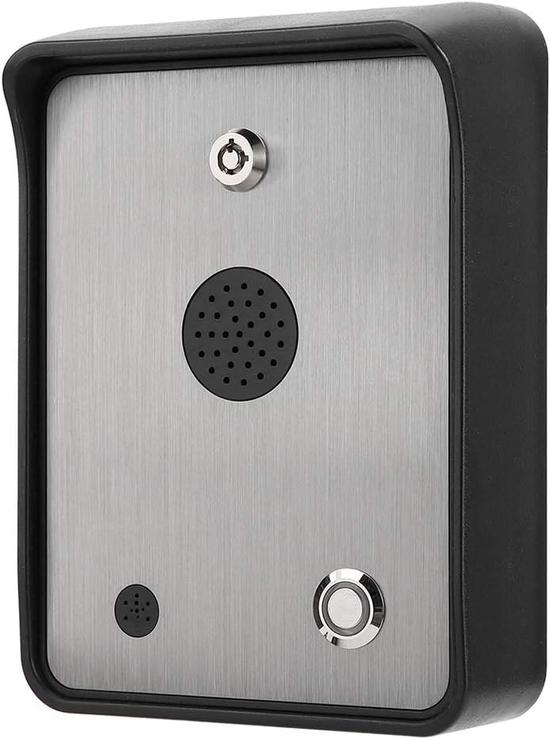
Single Way GSM Intercom for Access Control
A single way GSM intercom gives visitors a simple call button at the entrance. When pressed, the GSM intercom calls the programmed telephone number so the visitor can speak to the person responsible for granting access.
The single button GSM intercom can be programmed with two numbers. If the first number is busy, the GSM intercom can call the second number, helping keep access points responsive during busy periods.
Common GSM Intercom Applications
- GSM intercom for electric gates and gated driveways
- GSM intercom for automatic barriers and car park entrances
- Single button door entry for offices, yards and depots
- Visitor access control for private roads and commercial premises
- Mobile phone access control for staff, residents and regular users
- Gate and barrier access without a fixed internal handset
GSM Intercom Options
We can help you choose a GSM intercom based on your entrance type, user numbers, call routing requirements and whether you need single way access control or a multi-door GSM intercom option. GSM intercoms can often work alongside automatic barriers, electric gates and wider access control equipment.
GSM Intercom Technical Specifications
| Specification | Detail |
|---|---|
| Product type | Single way GSM intercom |
| Call button | Single button model |
| Call numbers | Program two telephone numbers to call |
| Call fallback | If the first number is busy, the unit can call the next number |
| Dial-to-open access | Can be called by up to 250 authorised mobile phone numbers to open access |
| User management | Authorised numbers can be set by the user |
| Typical use | Gates, barriers, doors, private roads and controlled access points |
GSM Intercom Call and Access Control Options
A GSM intercom can call a programmed telephone number when a visitor presses the button. Authorised mobile numbers can also call the intercom to open access, making it useful for sites with regular users who need quick entry through a gate, barrier or door.
Why Choose a GSM Intercom?
A GSM intercom is useful where visitors need to call from an entrance and access needs to be controlled remotely by phone. It can reduce the need for a fixed internal handset and is suitable for a wide range of domestic, commercial and industrial access points.
Key Benefits of GSM Intercoms
- Visitor calls can be answered on a mobile phone or landline
- Single button model for simple entrance control
- Two programmable call numbers for improved call handling
- Up to 250 authorised mobile numbers can call to open access
- Useful for gates, barriers, doors and private roads
- Suitable for residential, commercial and industrial entrances
Why Use Hi-Tech Security Systems?
- Over 30 years of access control experience
- Product supply support
- Advice for gates, barriers and GSM access control
- UK wide product supply
- Practical support from security specialists
Product Highlights
- Single button GSM intercom
- Program two numbers to call
- Calls the second number if the first is busy
- Up to 250 authorised mobile numbers can call to open access
- Suitable for gates, barriers, doors and private roads
- Ideal for homes, businesses, yards and managed entrances
Compatible Access Control Equipment
GSM intercoms can often be used with electric gates, automatic barriers, access controllers, keypads, RFID readers, vehicle loop detectors, remote controls and push buttons.
Hi-Tech Security Systems can advise on suitable GSM intercom and accessory options for your entrance and access control requirements.
Popular Uses
GSM intercoms are commonly used for electric gates, automatic barriers, private driveways, commercial yards, apartment entrances, staff access points and managed vehicle entrances.
They are a strong option when you want visitor calling and phone-based access control without relying on a fixed internal handset.
GSM Intercom Features
- Mobile phone based access control
- Visitor calls from the entrance panel
- Authorised caller access for regular users
- Two-number call routing
- Single way access control option
GSM Intercom FAQs
What is a GSM intercom?
A GSM intercom is an access control product that uses the mobile phone network to call a programmed telephone number from an entrance panel.
What is a GSM intercom used for?
GSM intercoms are used for visitor calling and access control at gates, barriers, doors, private roads, car parks and commercial entrances.
How many numbers can the single way GSM intercom call?
The single button GSM intercom can be programmed with two telephone numbers. If the first number is busy, it can call the next number.
Can authorised users open access by phone?
Yes. The intercom can be called by up to 250 authorised mobile phone numbers to open the door, gate or barrier.
Suitable For
- Electric gates
- Automatic barriers
- Pedestrian doors
- Private driveways
- Car park entrances
- Business premises
- Controlled access points